
Repeated exposure to any variety of things eventually enables a person to differentiate between very small differences. My assistant Nicole has handled thin orthodontic wire so much that she can sort 0.012 wire from 0.014, which is only two thousandths of an inch apart. My wife Jan’s pecan pie is top-ranked in the world, and I could tell it, eyes closed, from Cracker Barrel, or the best at the World Missionary Press yearly pot-luck fundraiser. Maybe you know about Stradivarius, Steinway, the twelve Eskimo words for snow, or the forty shades of Irish green.
If you ever served coffee at River Oaks Church, you have heard the discussion about the favorite brands like Starbucks, Seattle Blend, and how they compare to McDonald’s, or the Cadillac coffee at Essenhaus. Terms like robust, acidic, bold, weak, sweet, bitter, nutty, fruity, etc. float around along with the whisper of tales of Kenyan, Columbian, or that favorite place in Jamaica, the Blue Mountain. Personally, I have never developed the habit as I have not been able to connect the wonderful aroma of the bean to its bitter taste.
Chocolate, on the other hand, is something I can relate to. It’s easy for me to rank in ascending order: Nestles Crunch, Toblerone, Hersheys with Almonds, Lindt (Swiss), Verkade with Hazelnuts (Dutch), Ghiradelli Fudge (Sundae), and finally at the top, Olympia Candy Kitchen Turtles.
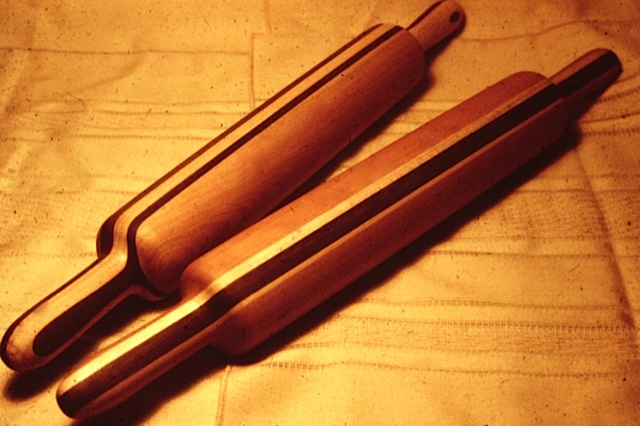
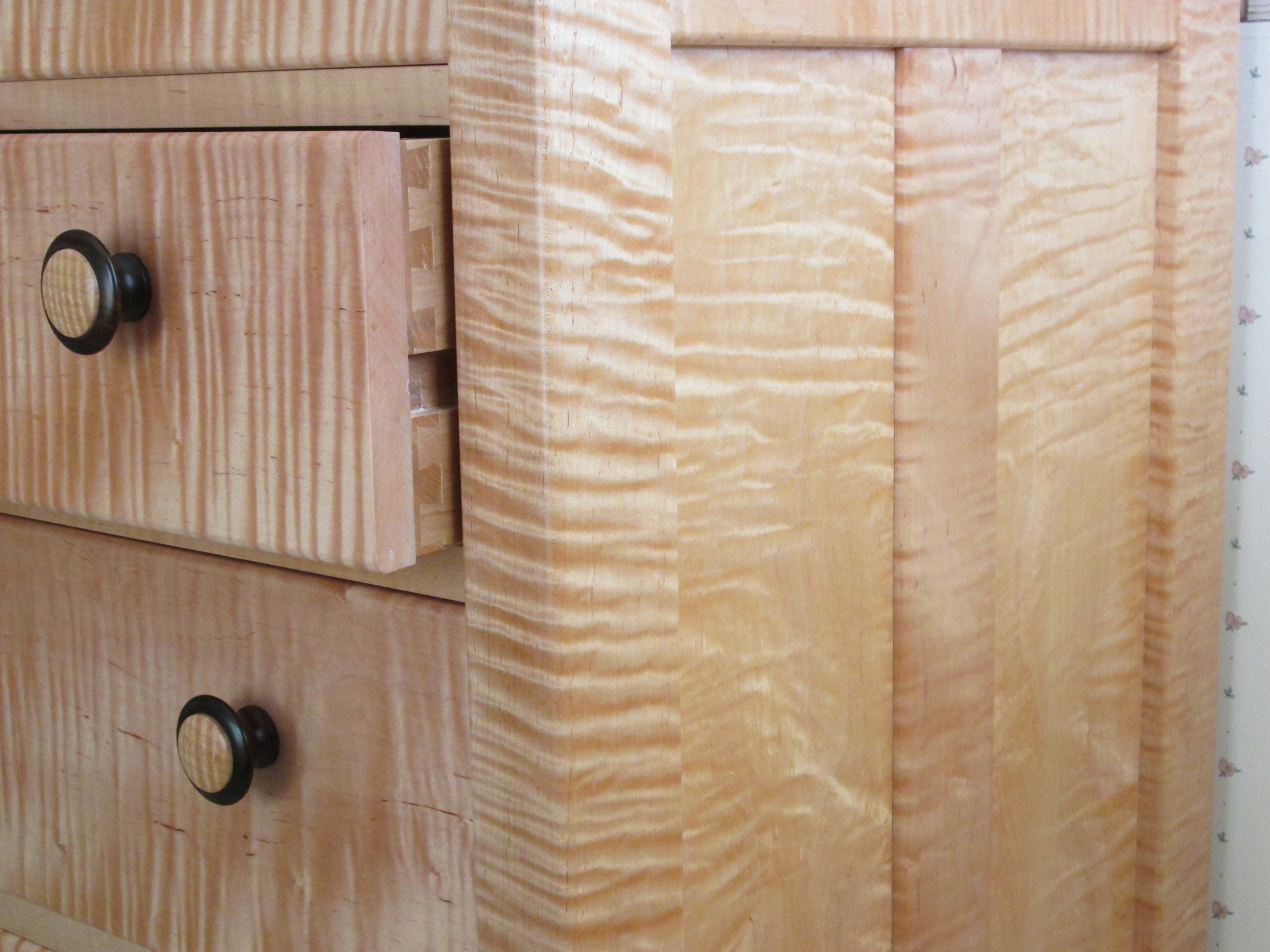
In the same way, wood is wood unless you hang around wood workers or boat builders. During my days working at Swartzendruber Hardwood Creations with furniture woods, I could probably have identified a dozen species by how they smelled being cut. I love working with the American hardwoods, the beauty of book-matched cherry, dark walnut and maple with its curly variations. Below are two rolling pins of cherry, maple and walnut from my long ago craft show days.
Woods are separated by many physical properties including density, shrinkage, hardness, stiffness, tensile and compressive strength. Imagine someone in my family getting to do a wood hardness science project!


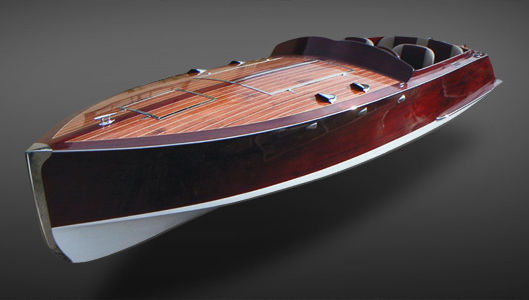
The main characteristics that matter to boat parts are simply weight, strength, fastening ability, and rot resistance. Over the years, popular boat building woods have included Mahogany, White Oak, Teak, Alaska Yellow Cedar, Douglas Fir, Western Red Cedar, Sitka Spruce, Cypress, Spanish Cedar.
For my boat, I chose White Oak for the keel and the key stringers. It meets the criteria as a tough, strong wood, but its tendency to split into sharp fibers makes it not so friendly. The worst splinters of the whole process come from handling this wood.

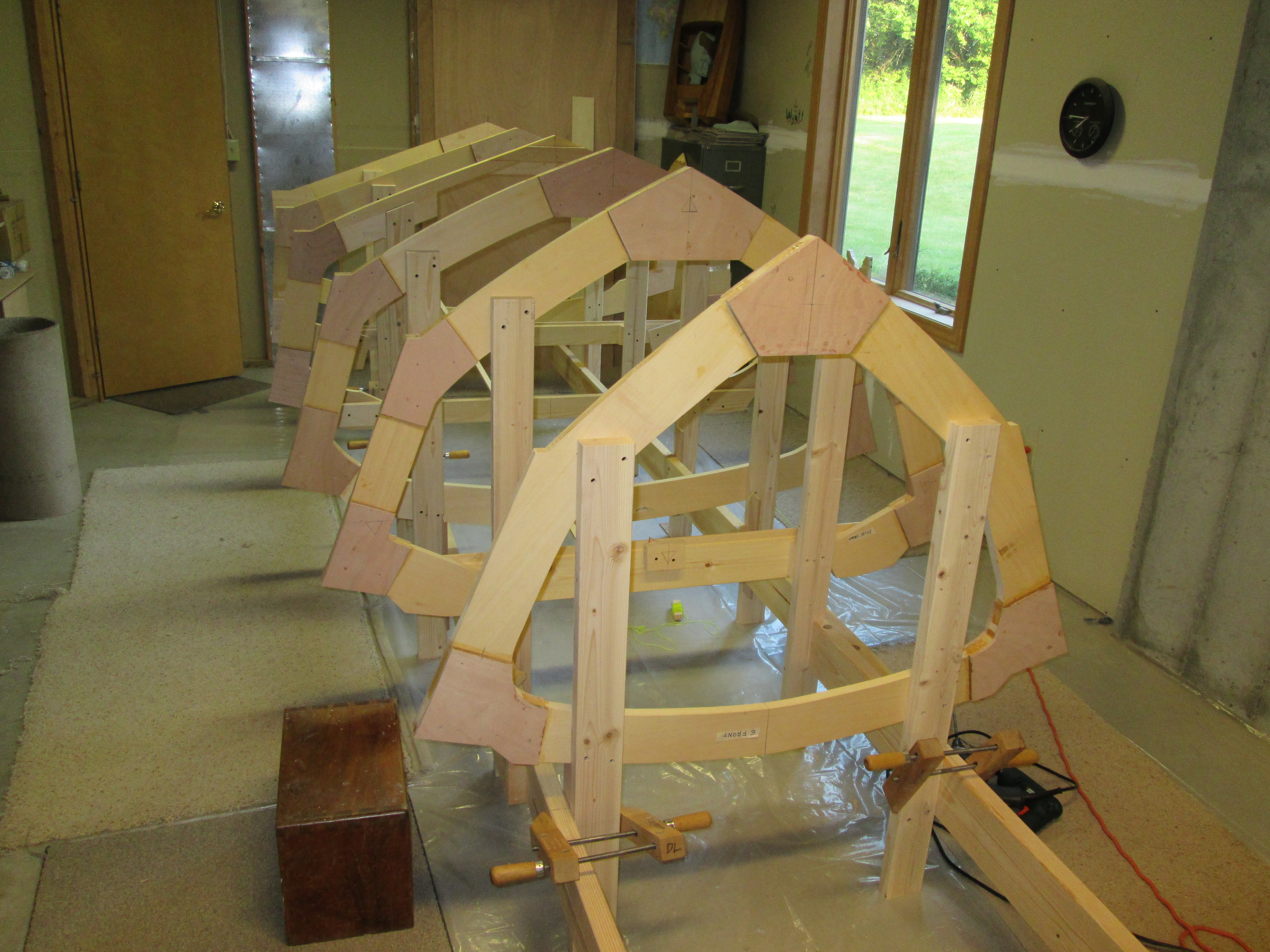
For frames and other parts, I chose Alaska Yellow Cedar, which was also straight grained with no knots in 12-16 ft lengths. It is among the leaders for stiffness, light weight and rot resistance. One surprise was the pungent aroma when machining the wood. It reminds me of Grandma’s cedar chest, but a bit more spicy and intense. I do like how it cuts with chisels and planes, and almost never cuts me back.

I also considered trying Sitka Spruce which was the gold standard in the early part of the last century. It was used in early airplanes for its long straight grain and extreme stiffness. When compared by weight, it actually is stiffer than metal, which helps make it great for piano and guitar soundboards. The Sopwith Camel was a British First World War Biplane introduced in 1917.

People are also uniquely made. When we recognize these special characteristics in each other, we best fulfill our common purposes given by the Creator.























 Building Redemption